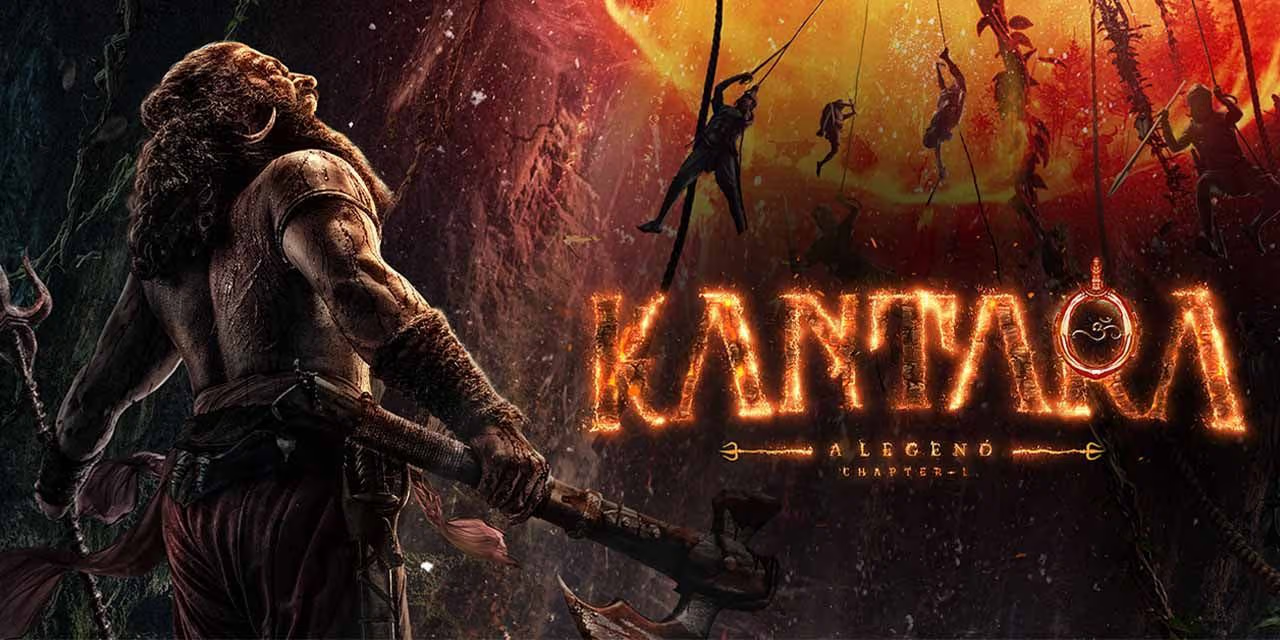
Kantara Chapter 1 Review explores the powerful and emotionally charged backstory of the demi-god who shaped the legendary universe of Kantara. This in-depth breakdown covers the film’s spiritual rituals, ancient origins, transformative performances, and the divine legacy that forms the core of this mythic saga.
Cinema often becomes a gateway to culture, myth, and ancestral memory. Few films in Indian cinema have succeeded in blending folklore, divinity, and human emotion as seamlessly as Kantara. Now, with Kantara: Chapter 1, director Rishab Shetty returns to expand the legend — not forward, but backward — exploring the origins of the demi-god who shaped the destiny of a people. This prequel is not just a movie; it’s a spiritual excavation into the heart of a sacred tradition.
Chapter 1 is set much before the events of the original film, diving deep into the ancestral legacy, rituals, cultural ethos, and divine lineage that birthed the legend of the Panjurli Daiva. If Kantara was about conflict, faith, and redemption, Chapter 1 is about creation, myth, and the making of a protector — a demi-god who walks the thin line between man and divinity.
Let’s journey into this world.
A Cinematic Return to Ancient Roots
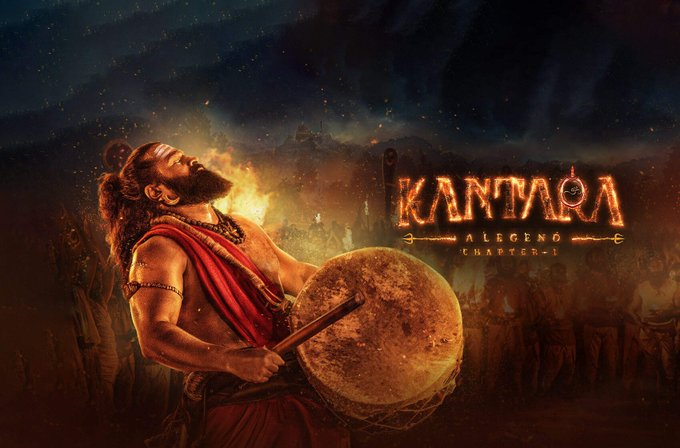
Chapter 1 pushes the narrative into earlier times, exploring a world where rituals were not just symbolic — they were living, breathing contracts between humans and the divine. The original Kantara touched upon this world lightly; Chapter 1 lives in it fully.
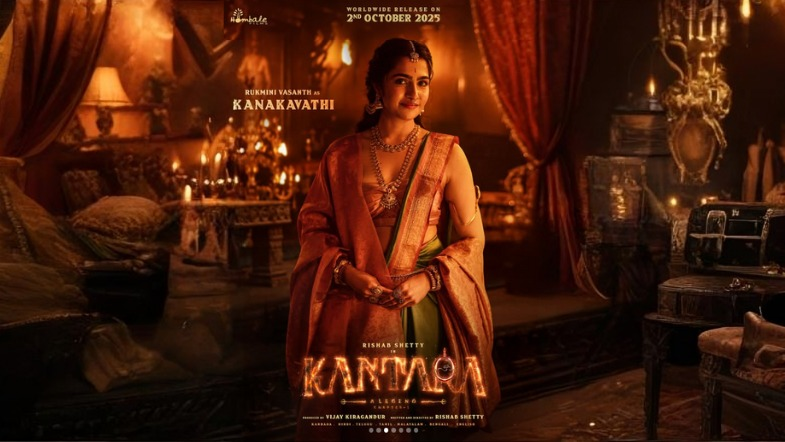
The film introduces us to the ancestral figure, portrayed by Rishab Shetty, whose destiny defines the spiritual backbone of the region. Unlike the modern protagonist in Kantara, this character is deeply tied to sacred duty, not choice. He is born into a legacy that demands sacrifice, discipline, and divine submission.
This is the story of how a man becomes more than mortal.
World-Building: A Land Alive With Spirit and Struggle
The world of Kantara: Chapter 1 is vibrant, wild, and spiritually charged.
The Forest as a Character
The forest — dense, ancient, untouched — is not just scenery.
It is the temple, battlefield, and cradle of the story.
The cinematography captures the forest as both protector and predator, reflecting the duality of nature’s blessings and wrath.
Rituals That Breathe
The most striking part of the film is how it revives rituals associated with Panjurli, Guliga, and Kola. The performances, chants, and movements are raw and spiritually immersive, almost documentary-like.
Viewers can feel:
- the heat of torches,
- the energy of rhythmic drums,
- the divine intensity in the performers’ eyes,
- the trance of Bhoota Kola.
Chapter 1 is not content with showing culture — it revives it.
Conflict Rooted in Belief
The early era depicted in the film is full of social, spiritual, and territorial conflict.
Lands are not just resources; they are sacred grounds protected by oath and ritual.
This early tension lays the groundwork for what the audience saw centuries later in Kantara.
Rishab Shetty: The Man, The Performer, The Vessel
If Kantara established Rishab Shetty as a powerhouse, Chapter 1 proves he is a once-in-a-generation storyteller. His transformation into the demi-god’s ancestral form is one of intensity and discipline.
He doesn’t play the role — he embodies it.
- The rage in his eyes feels ancestral
- The grace in his movements feels ritualistic
- The emotional depth is primal
You don’t see an actor performing.
You see a spirit awakening.
The physical transformation, aggressive action sequences, and grounded emotional scenes together make this one of Rishab’s most demanding performances to date.
Themes That Lift the Film Beyond Entertainment
Kantara: Chapter 1 is layered with deeper meanings.
1. The Birth of Duty
The film shows how divine duty is inherited and how it becomes identity.
2. Fear and Faith
People don’t just believe in the Daiva — they fear and respect the divine presence as a living force.
3. The Line Between Man and God
The protagonist constantly struggles to maintain his humanity while channeling divinity.
4. Land as Ancestral Memory
Land is legacy.
Land is worship.
Land is bloodline.
This theme becomes the central conflict and aligns perfectly with the events that we see later in Kantara.
Technical Brilliance that Elevates the Experience
Cinematography
Arvind Kashyap once again proves why he is among India’s best cinematographers. The play of firelight, shadows, fog, forest depths, and close-up ritual moments are exquisite.
Music & Sound
Ajaneesh Loknath’s background score remains the soul of the film.
Deep drums, folk chants, ritualistic bells — sound is a character of its own.
Makeup, Costume & Set Design
The team has gone deep into folklore research. From body paint patterns to tribal jewelry, every element feels authentic.
Action: Raw, Brutal, and Electric
Unlike the original film, Chapter 1 features more frequent and intense action — hand-to-hand combat, tribal warfare, and ritualistic fights.
The choreography is:
- fierce
- animalistic
- sweaty
- believable
There are no stylized hero moments — only primal power.
The Backstory That Enriches the Original
One of the biggest achievements of Chapter 1 is how it adds richness to the original Kantara.
After watching this film, the audience will understand:
- why the Daiva protects the land
- where the curses and blessings come from
- why devotion is unshakable
- how the legacy passes through bloodlines
It deepens Kantara, making the universe larger and more meaningful.
Overview
Kantara: Chapter 1 is a cinematic masterpiece that blends folklore with compelling storytelling. It is intense, spiritual, visually rich, and emotionally gripping. This isn’t a film you watch — it’s a film you experience.
If Kantara was the fire,
Chapter 1 is the spark.
It builds the legend from its foundation, crafting the backstory of a demi-god with depth, respect, and artistic brilliance.
Featured Questions for TFI.buzz Readers
1. Is Kantara: Chapter 1 a prequel or sequel?
It is a prequel exploring the origins of the demi-god lineage.
2. Is the movie connected directly to Kantara (2022)?
Yes. It sets up the mythology, rituals, and divine legacy shown in the original.
3. Does Rishab Shetty appear in a full-fledged role?
Absolutely — and his performance is one of the film’s highlights.
4. Is the movie suitable for all audiences?
It is intense, ritual-heavy, and spiritual. Recommended for mature audiences.
5. Will Kantara: Chapter 1 enhance the original film’s story?
Yes. It adds historical and emotional weight to the events of Kantara.
Explore More on TFI.Buzz
- Operation Success and Patient Died – Kaantha Movie Review
- Who Is This Indian Super Girl? Lokah Chapter 1: Chandra
- Peddi First Single: Feel the Chikiri Chikiri Vibe
- Andhra King: The Real Fan Who Became a Legend
- A New Universe Rises on the Big Screen – Thamma (2025) Review
- VARANASI: The Divine Wait Ends, The Era Begins – SSMB29
🔥 Stay tuned to TFI.Buzz for the latest updates, casting announcements, behind-the-scenes exclusives, and every story that keeps Tollywood talking.
Leave a Reply